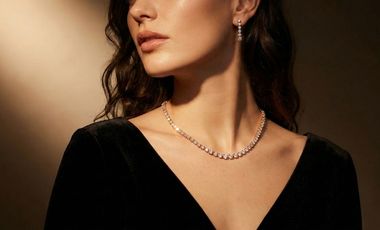
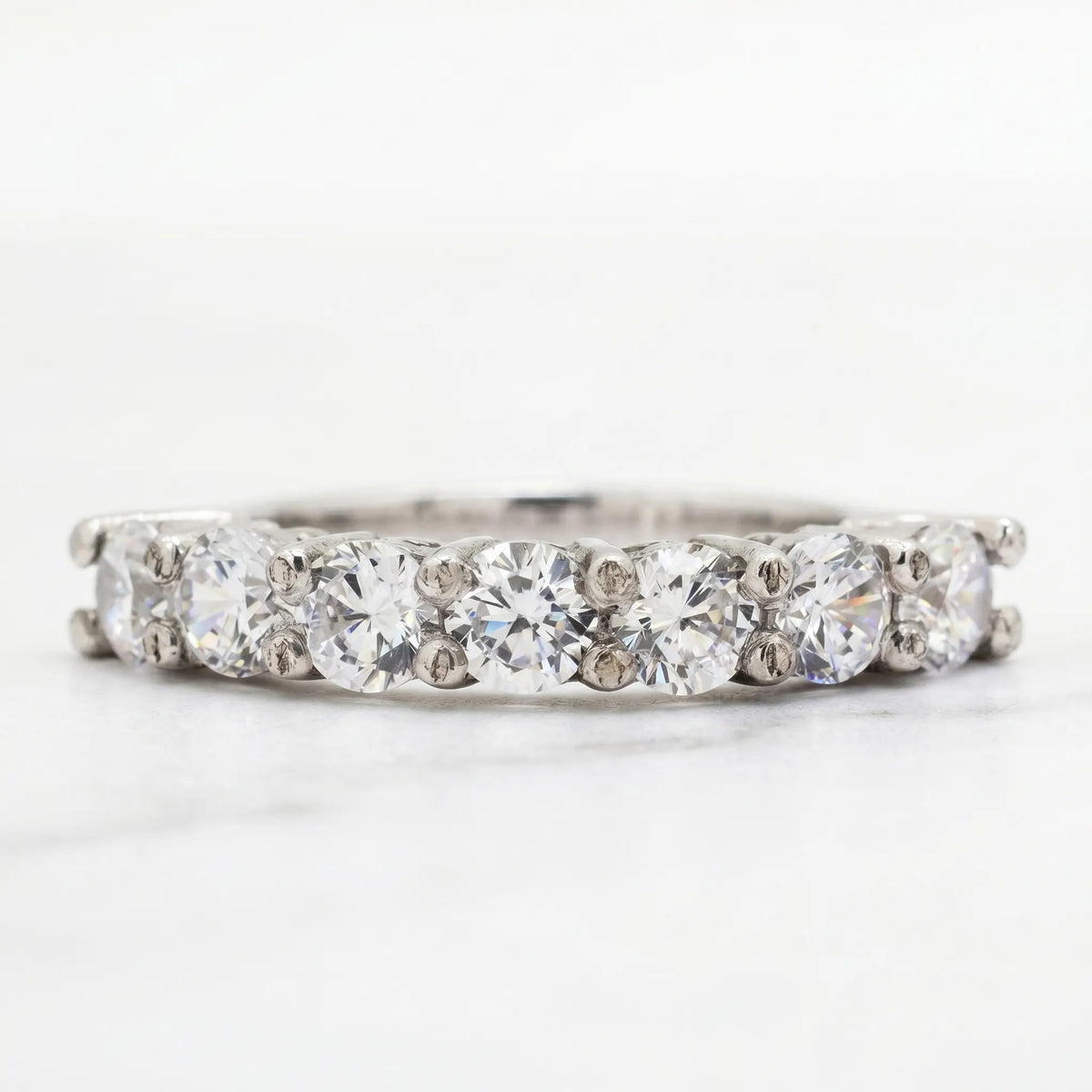
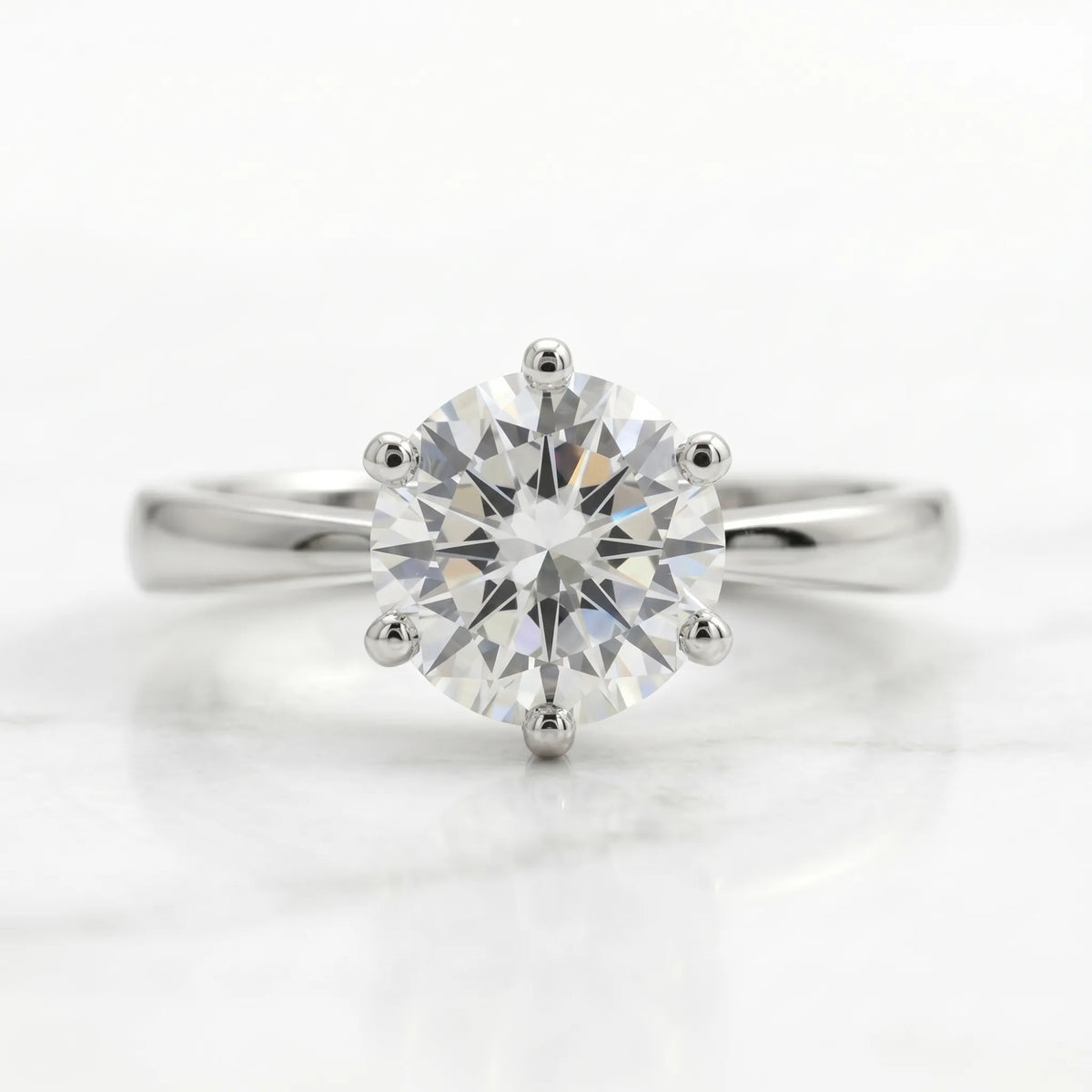
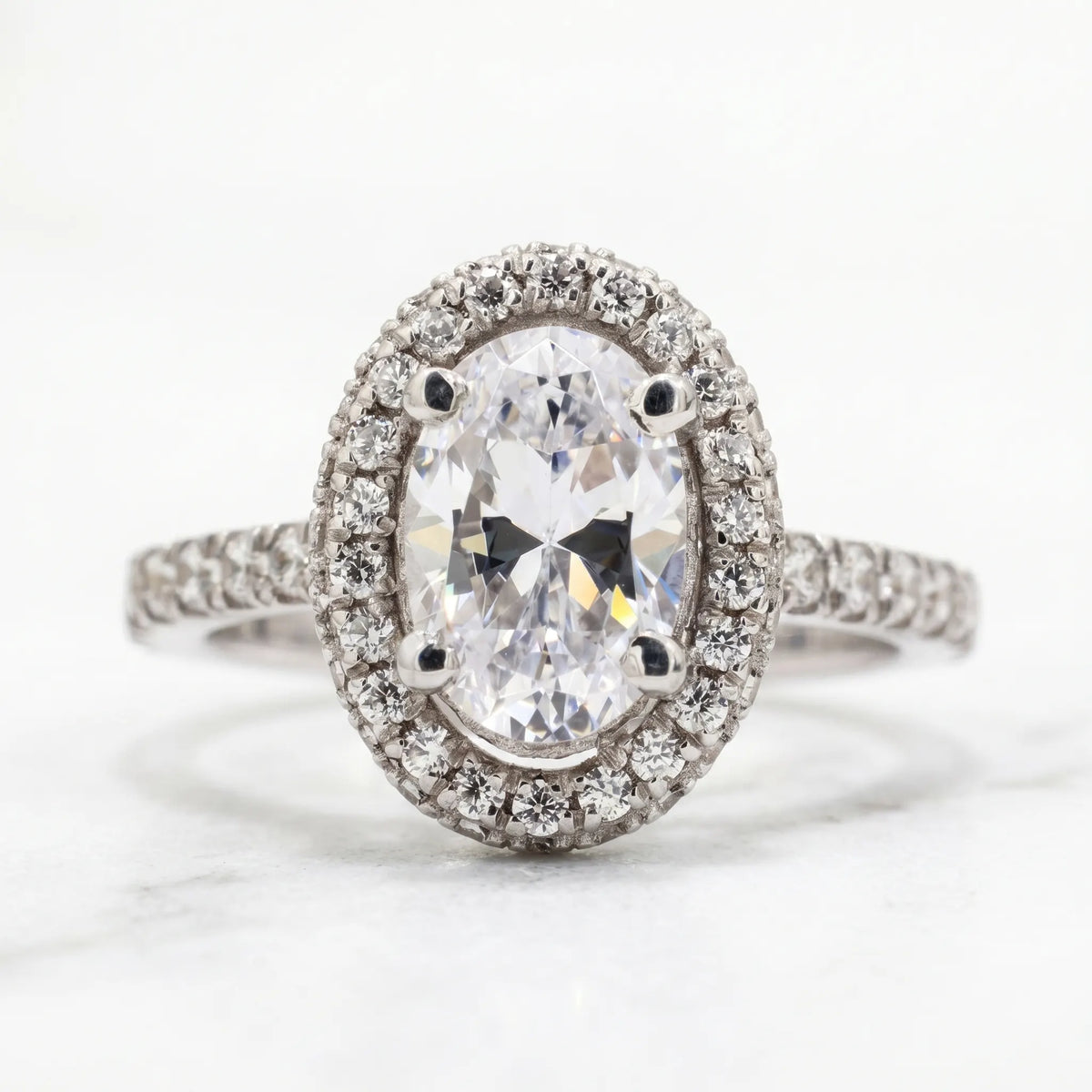
Choosing the right gemstone is an important part of buying an engagement ring or fine jewelry. While diamonds have long been associated with engagements, moissanite has become a popular alternative for couples who want impressive sparkle, everyday durability, and greater flexibility with their budget.
So, why choose moissanite over a diamond? This gemstone offers distinctive brilliance, a wide variety of shapes, and an attractive price point. Most moissanite used in jewelry is laboratory-created, making it an option for shoppers who prefer to avoid newly mined center stones.
Moissanite is not a diamond, but it has its own optical properties and advantages. Understanding these differences can help you decide which gemstone suits your lifestyle, preferences, and budget.
Here are seven reasons why moissanite deserves a place on your jewelry shortlist.
What Is Moissanite?

Moissanite is a gemstone composed of silicon carbide. French scientist Henri Moissan discovered naturally occurring moissanite in 1893 while examining material from a meteorite crater. Because natural moissanite is extremely rare, most gemstones used in modern jewelry are created in laboratories.
Moissanite is known for its high refractive index and strong fire, which produces colorful flashes of light. It can resemble a diamond at a glance, but its optical properties, composition, and appearance are different.
With a hardness of 9.25 on the Mohs scale, moissanite is also suitable for engagement rings and other jewelry worn regularly.
7 Reasons to Choose Moissanite Over a Diamond
1. Excellent Durability for Everyday Wear
Durability is one of the main reasons people choose moissanite for engagement rings. A gemstone worn daily should withstand regular use while maintaining its appearance.
Moissanite measures 9.25 on the Mohs hardness scale, making it highly resistant to scratching. Although diamonds rank higher at 10, moissanite remains a durable choice for everyday jewelry.
Its hardness makes it suitable for different designs, including solitaire engagement rings, wedding bands, earrings, and pendants.
However, hardness is not the only measure of durability. The setting, prongs, and band also affect how well a ring holds up over time. Removing your jewelry during activities that could cause hard impacts and arranging occasional setting inspections can help protect your investment.
Best for: People who want a durable gemstone for everyday wear without paying the typical price of a comparable natural diamond.
2. Brilliant Sparkle and Colorful Fire

if you enjoy the sparkle, moissanite may be the ideal gemstone for you. The brightness, or refractive index, of a stone, is used to measure the amount of sparkle. Since their faceting patterns are different from diamonds, moissanite displays a greater extent of brightness. A moissanite's eye-catching surface brilliance creates flaming, multicolored flashes that glitter in the light. Despite being described as "colorless," moissanite can still have a yellow or greyish tint under certain lighting conditions.
Prices are Lower Than Diamond
Many couples find moissanite to be an appealing and affordable option since you may design the engagement ring of your dreams without going over budget or reducing the size of the center gemstone. A more affordable option to diamonds, moissanite is much less expensive than diamonds of comparable size and shape. The only factors that affect the price of moissanite stones are size and whether the moissanite is Premium or Super Premium.
Different Shapes and Sizes

Moissanite offers plenty of design flexibility, making it suitable for classic, modern, and vintage-inspired jewelry.
Popular shapes include:
-
Round brilliant: A classic choice known for balanced sparkle.
-
Oval: An elongated shape that creates a graceful look across the finger.
-
Princess: A square shape with a contemporary appearance.
-
Pear: A teardrop silhouette for a distinctive design.
-
Emerald: A step-cut shape with long facets and a more structured look.
-
Marquise: An elongated shape with pointed ends that creates a dramatic profile.
-
Cushion: A square or rectangular shape with softened corners.
Each shape interacts with light differently, so it is worth comparing designs before making a decision.
Stone dimensions also influence how large a gemstone appears. Two stones with the same carat weight may look different because of their shape and proportions.
Whether you prefer a simple round solitaire or an elongated oval center stone, moissanite offers options for different tastes and budgets.
Best for: Shoppers who want more freedom to personalize their engagement ring or jewelry design.
5. Easy to Clean and Maintain
Moissanite is relatively easy to care for and can maintain its brilliance for years with proper cleaning.
However, no gemstone is completely resistant to everyday residue. Skin oils, hand creams, soap, and dust can accumulate on the surface and reduce the stone's sparkle.
To clean your moissanite jewelry at home:
-
Mix mild liquid soap with warm water.
-
Soak the jewelry for around 15–20 minutes, provided the manufacturer's instructions allow it.
-
Gently clean the stone and setting with a soft-bristled brush.
-
Rinse carefully with clean water over a covered drain.
-
Dry the piece using a soft, lint-free cloth.
Avoid harsh chemicals, abrasive cleaners, and rough scrubbing. If your ring has a delicate setting, consult a jeweler about suitable cleaning methods.
Regular inspection is also useful, particularly for engagement rings worn daily. A jeweler can check the prongs and setting to identify any signs of wear before the stone becomes loose.
Best for: People who want attractive everyday jewelry without a complicated cleaning routine.
6. A Laboratory-Created Alternative to Mined Gemstones
Most moissanite used in jewelry is laboratory-created because naturally occurring moissanite is extremely rare.
Laboratory production makes it possible to create silicon carbide gemstones without extracting the gemstone itself through new mining. For shoppers who prefer a lab-created center stone, this can be an important advantage.
However, laboratory-grown does not automatically mean that a gemstone has no environmental impact. Manufacturing requires energy and other resources, and the overall impact depends on production methods, energy sources, and supply chains.
Moissanite also differs from lab-grown diamonds. Both can be produced in laboratories, but they have different chemical compositions and physical properties.
If responsible sourcing matters to you, ask retailers about their manufacturing practices, gemstone origin, and available documentation. You can also consider the metal used in your jewelry and whether recycled materials are available.
Best for: Shoppers who prefer laboratory-created gemstones and want to consider sourcing alongside appearance and price.
7. Versatile Designs for Engagement Rings and Fine Jewelry
Moissanite is not limited to engagement rings. Its sparkle and range of shapes make it suitable for many jewelry styles.
For engagements, a round or oval solitaire creates a classic look, while a halo setting offers additional visual detail. Three-stone designs can provide a different balance of proportions and symbolism.
Outside engagement jewelry, moissanite can be used in earrings, pendants, necklaces, bracelets, and other accessories. This versatility makes it easier to build a coordinated jewelry collection without choosing a natural diamond for every piece.
You can also explore different metal finishes and setting styles to match your preferences. Sterling silver may suit a more affordable design, while solid gold offers another option for those considering long-term daily wear.
Before purchasing, check the gemstone specifications, metal composition, ring sizing, and available customization options.
Best for: People who want a gemstone that works across different occasions, designs, and jewelry collections.
Moissanite vs. Diamond: Which Should You Choose?
Both gemstones have advantages, and the right choice depends on what matters most to you.
|
Feature |
Moissanite |
Natural diamond |
|
Composition |
Silicon carbide |
Carbon |
|
Mohs hardness |
9.25 |
10 |
|
Light performance |
Strong brilliance and colorful fire |
Distinctive brilliance and fire |
|
Typical price |
Generally more affordable |
Generally more expensive |
|
Availability |
Commonly laboratory-created |
Naturally mined |
|
Shape options |
Wide variety |
Wide variety |
|
Maintenance |
Regular cleaning and setting checks |
Regular cleaning and setting checks |
|
Best suited to |
Budget flexibility and distinctive sparkle |
Natural origin and diamond-specific preferences |
One gemstone is not automatically the right choice for everyone. If natural origin is important to you, a natural diamond may be the better fit. If you prioritize affordability, sparkle, and design flexibility, moissanite is worth considering.
When comparing prices, use stones with similar visual dimensions and compare the complete ring, including its setting and metal.
Is Moissanite Better Than a Diamond for an Engagement Ring?
Moissanite can be a better choice for some couples, particularly those who want a durable, sparkling engagement ring without the typical cost of a natural diamond.
Its hardness makes it suitable for regular wear, and its distinctive fire appeals to people who enjoy colorful flashes of light. The lower gemstone cost can also provide more flexibility when choosing a larger center stone or a customized design.
However, diamonds may be preferable to buyers who specifically value natural origin or the distinct optical characteristics of diamond.
The best approach is to compare both gemstones in person or through reliable product images, review their specifications, and select the one that matches your priorities.
Where to Buy Moissanite Jewelry
When shopping for moissanite, look for a retailer that provides clear gemstone details, accurate product descriptions, transparent pricing, and customer support.
Loose Moissanite offers jewelry options for shoppers exploring moissanite gemstones and designs. Before placing an order, review the available stone shapes, dimensions, metal choices, customization services, and return policy.
Use this checklist when comparing products:
-
Confirm that the gemstone is moissanite rather than a different diamond alternative.
-
Review the stone's dimensions and stated quality specifications.
-
Check the ring's metal composition and setting construction.
-
Read the shipping, return, and warranty terms.
-
Ask about available gemstone documentation and customization options.
You can explore Loose Moissanite to discover available designs and find jewelry that suits your personal style and budget.
Conclusion
Moissanite offers seven compelling advantages: durability, distinctive sparkle, affordability, shape variety, straightforward maintenance, laboratory-created availability, and design versatility.
Although it is not identical to a diamond, it provides its own combination of visual appeal and practical benefits. For couples choosing an engagement ring or shoppers building a jewelry collection, understanding these differences makes it easier to select a gemstone that suits their priorities.
Explore Loose Moissanite to compare available designs, review gemstone specifications, and find a piece that matches your style and budget.
Read More - DIFFERENCE BETWEEN: MOISSANITE VS DIAMOND