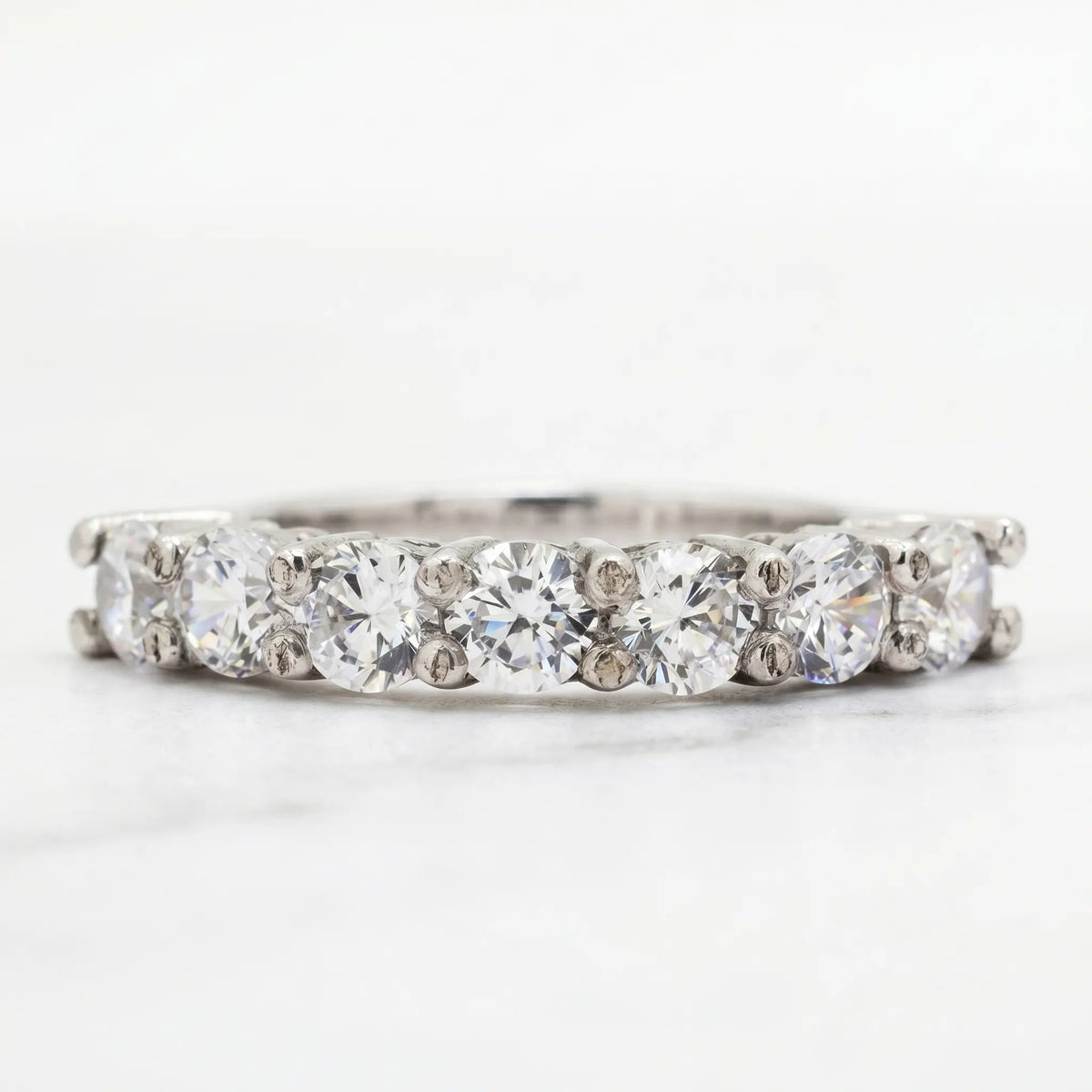
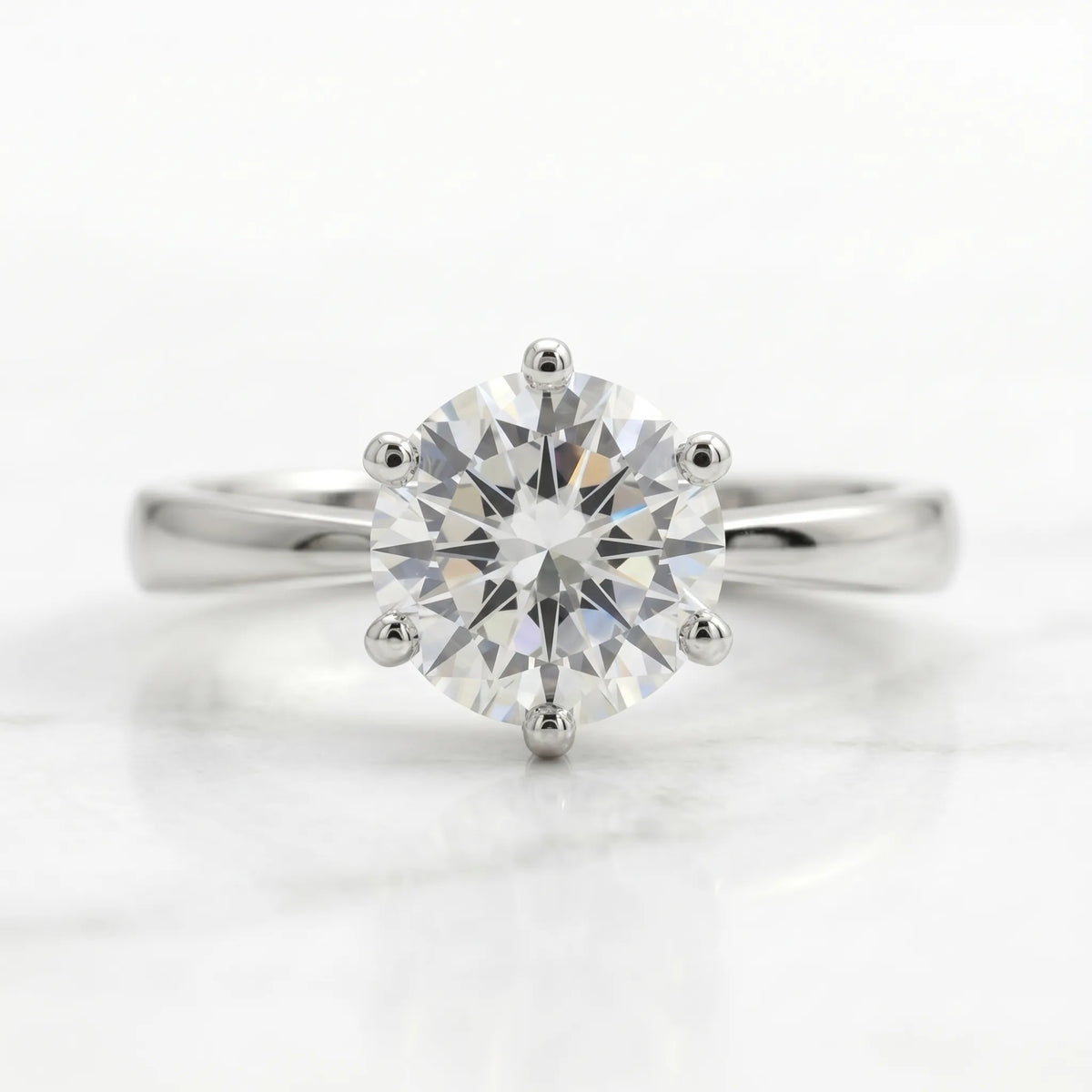
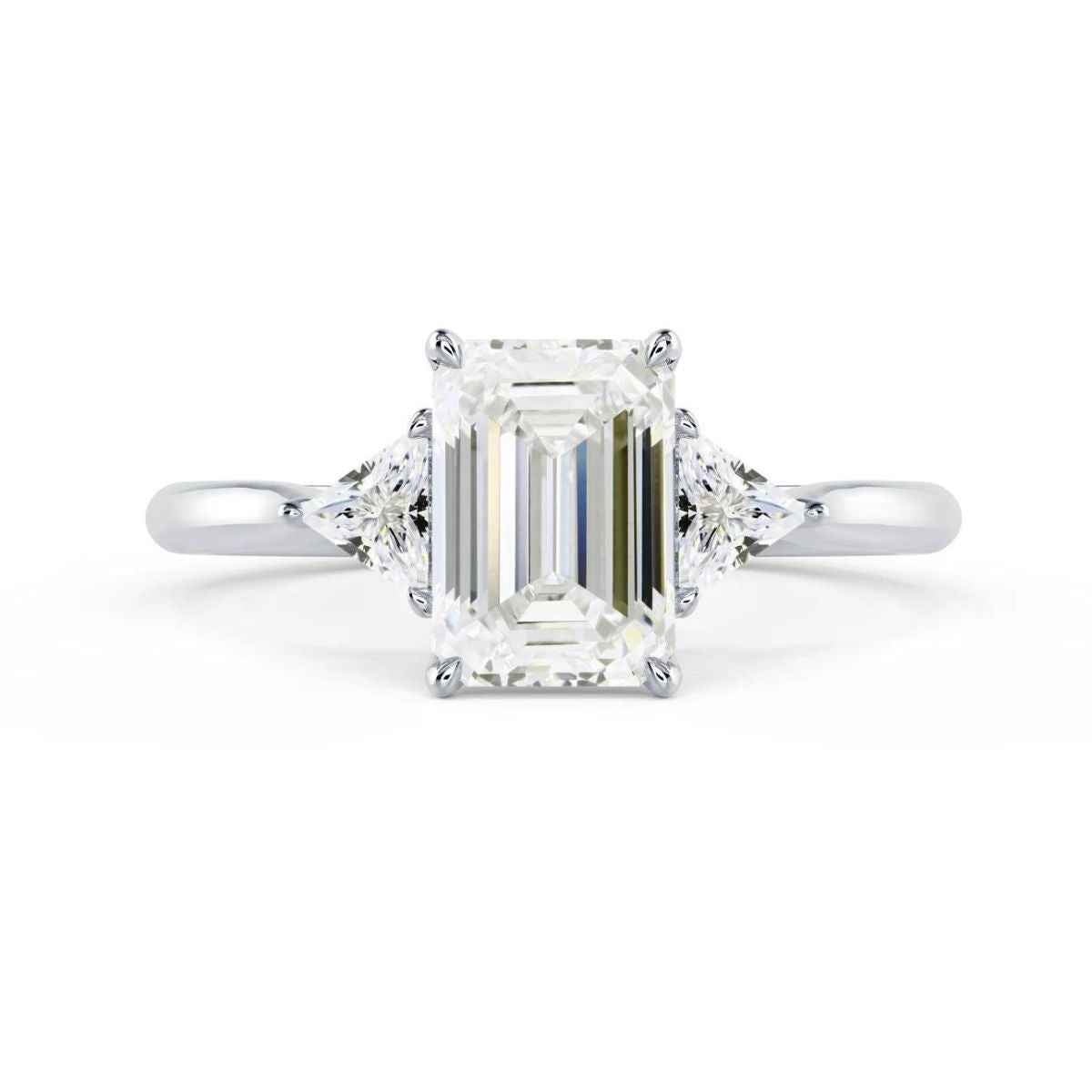
You’ve likely seen jewelry that catches the light from across the room, flashing rainbows with every wrist movement. Many everyday shoppers feel priced out of this glamour, assuming such sparkle requires emptying a savings account for a diamond. Enter the moissanite bracelet—a breathtaking, lab‑grown gemstone that stands as its own unique category of luxury jewelry.
According to gemological history, moissanite was originally discovered inside a fallen meteorite. While natural silicon carbide is incredibly rare on Earth, modern artisans now craft these gems into sustainable luxury accessories. In practice, this space‑born marvel offers a fascinating contrast in brilliance and fire compared with traditional stones. While a diamond largely reflects white light (brilliance), moissanite acts like a tiny prism, breaking light into a colorful rainbow show known as fire.
Think of the jewelry world like the automotive industry: if a diamond is a traditional luxury SUV, moissanite is a high‑end electric car. It delivers the same stunning look with superior ethical origins and a much more accessible price tag.
Fire vs. Brilliance: Why Your Moissanite Bracelet Glows Like a Rainbow
You’ve likely noticed that some jewelry flashes pure white, while other pieces throw off colorful rainbows. Wearing a moissanite bracelet guarantees that vibrant, colorful light show. This eye‑catching rainbow effect is known as “fire,” which happens because the gemstone captures and scatters incoming light.
Scientists measure this light‑bending ability using the refractive index of moissanite, which sits at an incredibly high 2.65–2.69. In a basic brilliance‑vs‑fire comparison, brilliance refers to the white flashes, while fire is the colorful sparkle. Because its index is higher than a diamond’s, moissanite bends light more aggressively.
The true secret behind this glow is “double refraction,” meaning the stone splits a single beam of light into two separate rays before bouncing it back. This creates an undeniable disco‑ball effect. While the sparkle is breathtaking, the stone’s ability to handle daily wear is equally impressive.
Can It Handle Daily Wear? Understanding Moissanite’s Rank on the Mohs Hardness Scale
Bumping your wrist against a desk shouldn’t cause panic. Many affordable stones look stunning on day one but turn cloudy because everyday impacts create microscopic scratches on their surface. To predict whether a gemstone will survive real‑life wear, jewelers rely on the Mohs scale of hardness, which ranks scratch resistance from 1 to 10.
At an impressive 9.25, the daily‑wear durability of moissanite is exceptional. Here’s a quick comparison against other familiar stones:
-
Diamond: 10
-
Moissanite: 9.25
-
Sapphire/Ruby: 9
-
Cubic Zirconia: 8–8.5
This data highlights a massive gap in longevity between moissanite and cubic zirconia. While CZ dulls from tiny abrasions, moissanite’s tough surface stays permanently clear, allowing confident 24/7 wear without over‑protecting your jewelry. Since it outlasts almost everything in a typical jewelry box, comparing it with the top scorer—diamond—reveals incredible value.
Moissanite vs. Diamond: The Side-by-Side Comparison for the Savvy Shopper

Looking at a diamond vs moissanite side by side reveals a stunning optical secret. While diamonds reflect classic white light, moissanite breaks light into the colorful rainbow effect known as “fire.”
Beyond the sparkle, the biggest contrast comes down to the price‑per‑carat ratio. As a diamond’s carats increase, its price skyrockets exponentially. Moissanite flips this script, offering up to 90% cost savings for the same visual size, so you can wear a luxury statement piece guilt‑free.
Opting for this stellar brilliance also provides immense peace of mind regarding ethical sourcing. The main difference between lab‑created and natural gems is their origin story; modern moissanite is grown in clean, controlled environments. This makes it one of the most transparent, ethical jewelry alternatives today, bypassing the environmental and human impact tied to traditional mining.
Because these durable stones share so many physical traits with mined diamonds, they often fool casual observers and even standard jewelry tools.
Will It Pass a Diamond Tester? The Science of Thermal and Electrical Conductivity
Will moissanite pass a diamond tester? Basic jewelry pens measure how fast heat travels through a gem—a property known as thermal conductivity. Because moissanite handles heat almost identically to a mined diamond, it often fools standard thermal testers into beeping green.
Modern jewelers rely on more advanced tools to tell them apart. Since identifying high‑quality silicon carbide—the mineral name for moissanite—is impossible with heat alone, professional multi‑testers also measure electrical conductivity. Moissanite conducts a tiny trace of electricity, giving it a unique scientific signature that confirms it as a durable, standalone gemstone.
Choosing Your Metal: Gold Plated vs. Solid Gold Moissanite Tennis Bracelet Settings
Securing that perfect sparkle is just as important as the stone itself. For a classic yellow‑gold moissanite tennis bracelet, you’ll typically choose between two main setting styles. A prong setting uses tiny metal claws to hold each gem, maximizing light, while a bezel setting wraps a sleek metal rim completely around the stone, offering unmatched protection against daily bumps.
Beyond the physical structure, the metal foundation dictates longevity. When evaluating gold‑plated vs solid gold settings, consider these options:
-
Standard plated: A thin gold layer over brass; highly affordable but fades quickly.
-
Gold vermeil: A thicker gold layer over solid sterling silver; a durable, cost‑effective middle ground.
-
14k solid gold: The absolute heirloom standard; it rarely tarnishes and won’t rub off.
Matching these materials to your daily activity level ensures your investment withstands everyday wear. With the perfect design and metal finalized, you simply need the bracelet to drape elegantly on your wrist.
The Secret to the Perfect Fit: How to Measure Your Wrist for a Moissanite Bracelet
Returning poorly‑fitting moissanite tennis bracelets is a hassle that’s easily avoided. Mastering how to measure your wrist for jewelry at home takes seconds:
-
Wrap a string, paper strip, or flexible tape snugly just below your wrist bone.
-
Mark the exact spot where the ends overlap.
-
Lay that material flat against a standard ruler to find your exact base measurement.
Next, add a half‑inch “comfort allowance” to this base number to achieve the ideal bracelet drape. This drape determines how gracefully a women’s moissanite bracelet rests on your wrist fluid enough to move and maximize the stone’s sparkle, yet secure enough to stay put.
Keeping the Sparkle: How to Clean Your Lab-Grown Gemstones Without Damaging the Setting

Everyday wear exposes jewelry to hand lotions and natural skin oils, but you have a hidden scientific advantage. Unlike traditional diamonds that naturally attract grease, moissanite has a very low “oil affinity.” This means the dazzling women’s moissanite bracelet style you’ve chosen will actively repel greasy buildup, staying remarkably brilliant between cleanings.
When a quick refresh is needed, cleaning lab‑grown gemstones takes just a five‑minute soak in warm water mixed with mild dish soap. Gently scrub behind the stones with a soft toothbrush, and completely avoid harsh household chemicals like bleach. You should also skip trendy ultrasonic cleaners, as their intense vibrations can loosen delicate prong settings over time.
Maintaining your moissanite bracelet is truly that straightforward, proving that everyday luxury doesn’t require a high‑maintenance routine.
Your 3-Step Plan for Buying a High-Quality Moissanite Bracelet You'll Love Forever
You no longer have to guess whether a piece of jewelry will survive daily wear or lose its sparkle. By understanding the science behind that incredible fire, you can confidently choose a moissanite bracelet that delivers true luxury without the traditional markup. You now know how to spot a high‑quality, ethical gemstone that stands apart from cheap simulants.
Before you click “buy” on that stunning women’s moissanite bracelet or bold moissanite iced‑out bracelet, run through this final Smart Buyer’s Checklist to protect your investment:
-
Verify stone grade (VVS1/D‑color or equivalent)
-
Confirm metal purity (e.g., 14k gold, sterling silver, vermeil)
-
Check the return and exchange policy
Step into your new role as an informed owner with complete peace of mind. Every time this piece catches the light, you’re reminded of the financially savvy, ethical choice you made. Enjoy your brilliant new signature look, knowing you’ve invested in a durable, sustainable piece of true luxury.